Let’s continue talking about methods propagation and this time we deal with the semi-woody cuttingthe perfect method for those amateur growers who, often short of somewhere to shelter their plants in winter, wish to multiply perennials for planting on the terrace or patio.
It is an easy system that, with a little care and attention, will allow you to have great satisfaction!
Choose the right time
The best time for take cuttings it is one in which the plant is still actively growing, i.e during the summer.
The weather conditions present during the summer season usually ensure the right heat for the cuttings, which need around 24°C to start growing. root.
Roots form in approximately 2-5 weeks.
How to proceed
The suitable material for cuttings varies from plant to plant and from year to year; as a general rule choose the tips without budsfrom which you will remove every flower.
Everything is fine cutting it must be approximately 10-15 cm and have a couple of knots; if the season has been unfavorable, however, the growth of the plant may be less and, consequently, the cutting will be proportionately less.
Cuttings must be taken from healthy, flexible shoots: avoid weakened or damaged stems.
The cut
Using scissors, harvest the material early in the morning and while the plant is still moist; cut off the most robust shoots and place in plastic bags to keep them wet.
The cuttings should then be processed as soon as possible and, if you cannot do so straight away, you should spray a little water into the bag, seal it and place it in a cool place or even in the fridge.
Preparation
Use a very sharp knife or utility knife, placing the cutting on a solid surface.
Prepare pieces of about 5 cm by cutting cleanly diagonally, under the lowest node.
Remove leaves and any shoots from the bottom half.
Fill a few pots with one moist compost of rough horticultural sand and sifted peat (in equal parts); pour in plenty, let it settle by tapping the containers a little and, finally, eliminate the excess by passing a ruler or a straight piece of wood over the jars; do not compact before inserting the cuttings.
One is available on the market Rooting hormone powder: apply it where the cutting has been cut; a hygienic tip is to be careful not to immerse the stem directly in the bottle of the preparation, but on the contrary to work with a small quantity of product, and to throw away what is left over.
The sturdiest cuttings can be inserted directly into the soil for about half their length; to accommodate the more flexible ones it is necessary make holes in the compostusing a pencil or a straw.
Place multiple cuttings in each pot; they must be placed in a circle, along the edge, and one must be buried in the center: the leaves must not touch each other.
To water, use warm water and a rosette with small holes, then let any excess water drain for at least 15 minutes.
Aftercare
If they are outdoor plants, the pots should be placed in the cold greenhouse, otherwise cover with a plastic bag which you will keep away from the foliage with the help of a piece of cane or a wire bow; transfer the pots to a dry environment away from direct sunlight.
At the end of the summer the roots they should have developed and you can transplant THE cuttings in a suitable soil and let them survive the winter, placing them in a cold greenhouse or in another place protected from frost.
Top the seedlings regularly to encourage growth branching.
Idea! Geranium cuttings
You can multiply the regal pelargonium by taking cuttings in early August; approximately 12 cm long, but should not be covered with plastic, but placed in a pot to be kept in the dark and warm during autumn; in winter, however, they should be placed cool and dry.
The ideal is a window sill in an unheated room: when it is very cold, lay a sheet of newspaper on the glass at night and remove it during the day or heat the room slightly to avoid frost.
Don’t water the seedlings or do it only when the soil appears really dry.
In February the cuttings will be transplanted in 6 cm diameter pots and you will need to fertilize them approximately every 10 days.
Continue doing this until April when you will repot the plants again in a loam-based soil and gradually get them used to tolerating the outside temperature, and then place them outdoors in May.
The same procedure can also be used for fuchsia; in this species, however, the cuttings must be taken in mid-August.
Hydroculture: cuttings in water
Many examples of indoor plants they root easily in waterfall: for this purpose you can use a jar and cover the mouth with adhesive film or waxed paper.
Prepare the cuttings as you normally would and, making a few holes in the «lid», insert the cut part, so that the stems are completely immersed in the water; when the roots appear, you will be able to repot normally new specimens.
The seedlings grown with this method will initially have few roots: during the winter you must not over-water, and on the contrary keep them rather dry.
What are the most suitable plants?
Stunning perennials such as verbenagazania, cosmea, argyranthemum e Also they lend themselves to this preparation method.
Some climbers also grow well from this cutting, for example the plumbago, the bougainvillea and some delicate varieties of campsis and passionflower.
The new specimens you will obtain through this method will surprise you: young plants of these species flower better than old ones!
Many indoor plants also multiply easily semi-woody cutting.
Among others we mention again the geranium (pelargonium) and the fuchsia: both are among the summer flowering species that rarely overwinter, and both give great satisfaction with this propagation method.
Good work!
Latest Posts Published

care and maintenance » Le Georgiche Nurseries

care and maintenance » Le Georgiche Nurseries

Here’s what work needs to be done

June 1st – Children’s Day: history, meaning and special gifts
How to decorate for Easter?
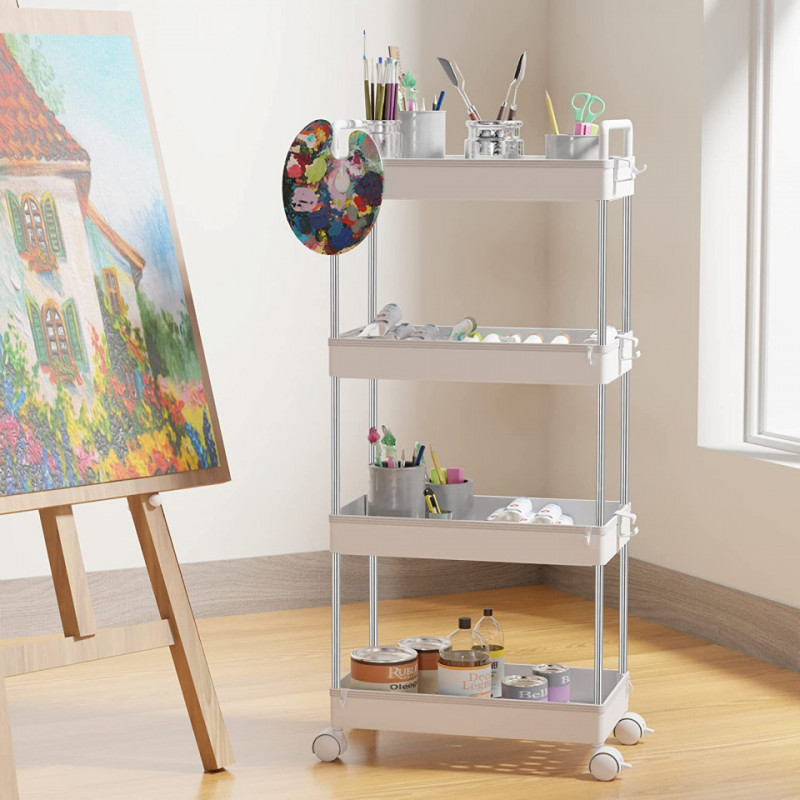
10 simple ways to «tidy up» your home

Mountain Banana (Asimina triloba): how to grow it and enjoy its rare fruits

Innovative storage and organization solutions for a more airy space
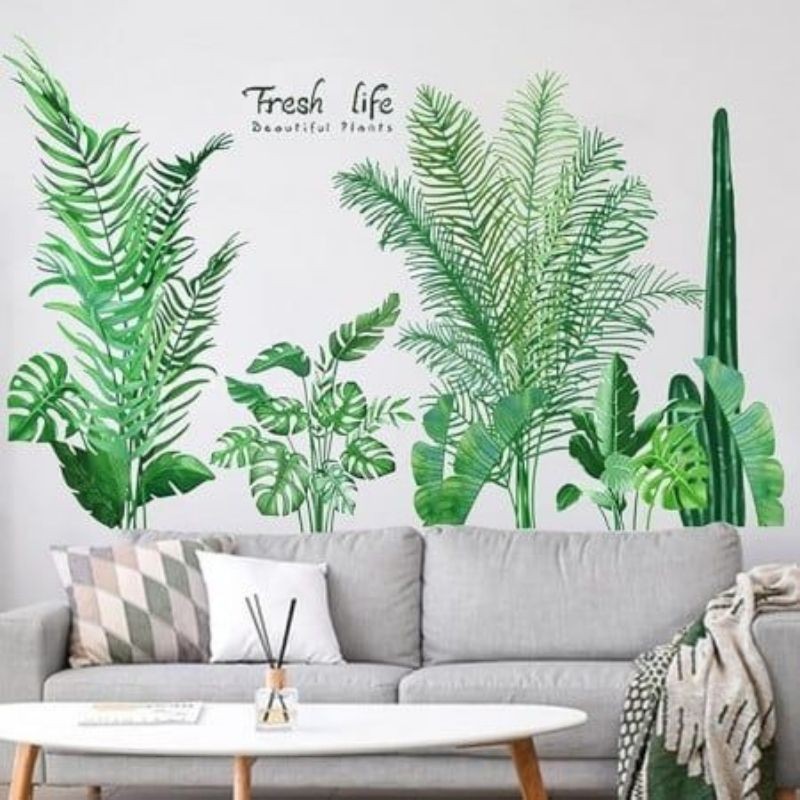
Find inspiration to decorate with wallpaper and stickers in your own personal style.