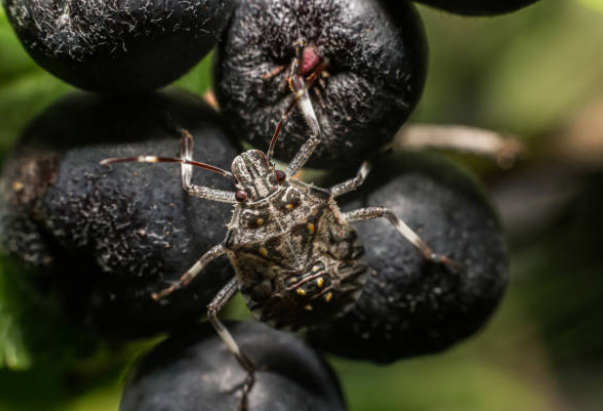
The Tamarillo, also known as “Tomato tree” is an exotic plant that can also be grown in Italy.
It is part of the Solanaceae family, with other very famous ones including potatoes, aubergines and peppers. It represents something new for our climates, which makes it an excellent challenge for slightly more experienced green lovers!
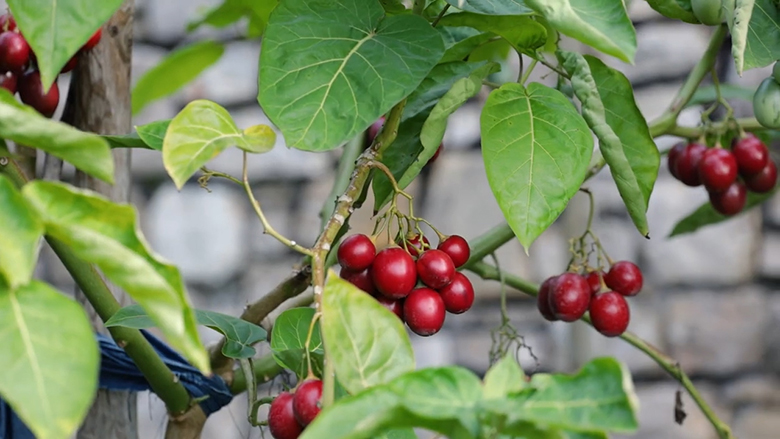
What exposure to give to Tamarillo
Lots of light, screened or in partial shade in the months/hours of strong sunshine. Avoid positions most exposed to air currents.
What temperature does the Tamarillo want
It tolerates a minimum temperature of -3°C but for short periods. There ideal temperature ranges from 13 to 24°Cit does not like intense heat (which will cause the leaves to droop until the cool evening weather arrives). During the winter it is recommended to protect the plants with non-woven fabric.
From October/November it is instead indicated reduce the watering but do not suspend it.
How to water the Tamarillo
Keep the soil moist, avoiding water stagnation. It is a plant sensitive to drought. It is advisable to water it little but often and not to water it in case of rainfall, in any case it is always very important to check the first centimeters of soil to understand whether there is sufficient humidity or not.
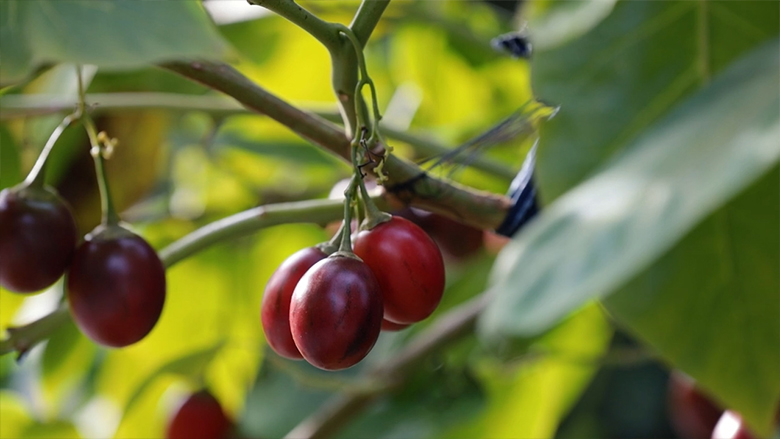
Which substrate to choose for the Tamarillo
Soft, draining, rich in organic substance and airy, a good universal soil is recommended. It prefers a sub-acid to basic pH.
How to fertilize Tamarillo
Administer pelleted organic fertilizer and supplement with slow release granular fertilizers.
How to Propagate Tamarillo
Tamarillo can be propagated by cutting (in spring) or from seed. Germination from seed is very simple, thanks to its rather fast growth, the plant can bear fruit within a year of sowing and continue for approximately 48 continuous months.
It is a self-fertile plant, so it is not necessary to have male and female specimens, but cross-pollination is still very useful.
The required planting distance is approximately 2 m distance.
How and when to prune the Tamarillo
For the Tamarillo, tying operations could be carried out when the tree is still young and malleable cut the tips of young trees to try to reduce the size of the plant.
At the end of winter, pruning can be carried out aimed at improving production: cutting old or damaged branches by making return cuts on the branches that have already bear fruit previously.
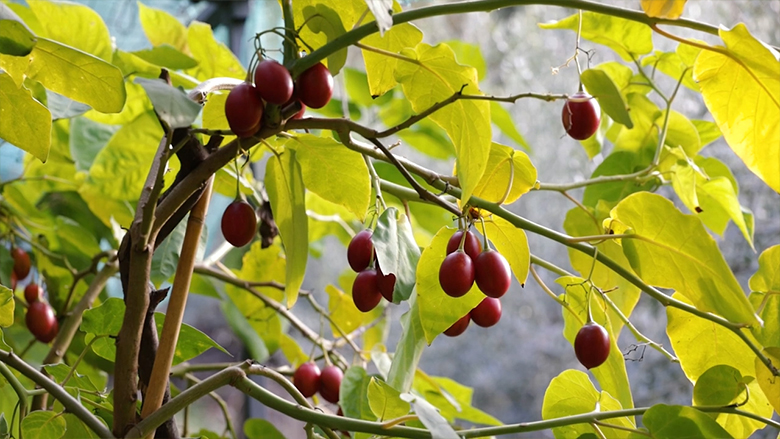
Tamarillo parasites and diseases
The Tamarillo is possible object of attacks by aphids and scale insectsto eradicate them we can use the usual Mio Orto Bio emergency response mixture, which is also useful against moth larvae: in 1l of water an intervention mixture composed of: 10 ml of Soft Soap, 250 ml of Nettle and 10 ml of Neem Oil.
And then one mixture for prolonged coverage: 10 ml of Ottomix Oil, 200 g of Recidal Sil and 10 ml of Soft Soap.
However, it can be affected by the following diseases: tomato downy mildew, tomato virosis, collar rot and apical rot.
We know the Tamarillo
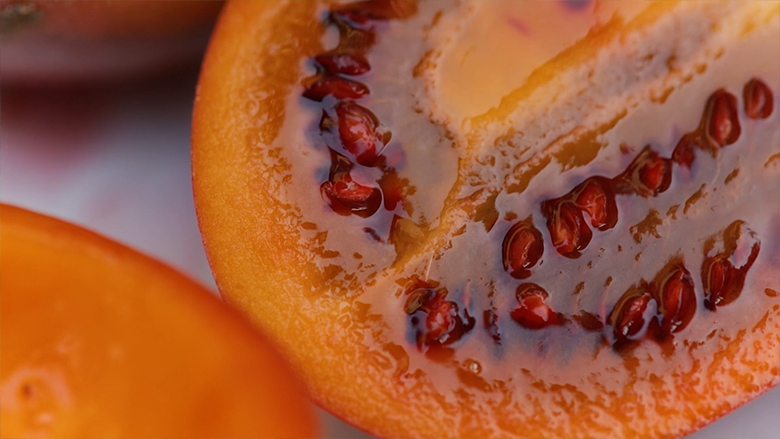
The plant of Cyphomandra betacea or Solanum bettaceum is a tropical plant, also known as Tamarillo or Tomato tree, is cultivated mainly as an annual plant.
Shrub with fragrant flowers, collected in white-pink clusters. It produces berries with smooth, red-orange skinapproximately 4/8 cm long and 3/5 cm wide. The fruits are edible and have an acidic flavour, they can be eaten raw to prepare exotic salads combined with avocado, juices and preserves. They are rich in iron, magnesium, potassium, phosphorus and vitamins.
The fruit harvest takes place starting in late autumn.
The tamarillo is a fast-growing shrub that can reach 4 m in height.
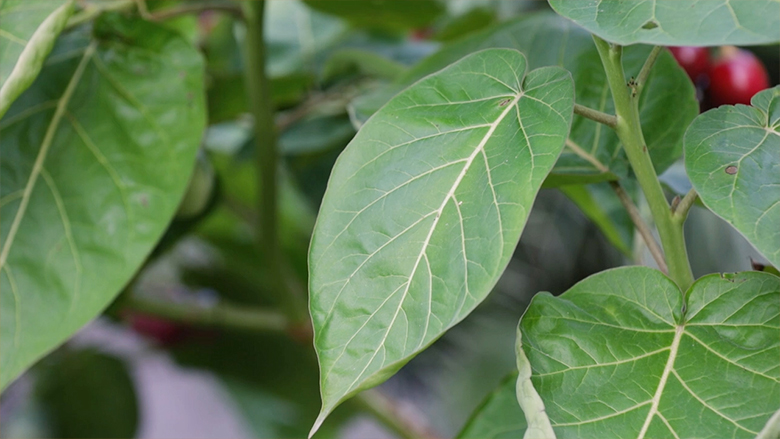
It is characterized by a greyish bark and perennial foliage. The large green leaves resemble the leaves of Pulownia tomentosa when it is still a young plant.
The fruit harvest must be done from October to May.
The flavor of the fruits is reminiscent of maracuja and passion fruit, sharing with them notes of more or less pronounced acidity depending on the state of ripeness.
Tamarillo taxonomy
Cyphomandra betacea is part of the Solanaceae family, genus Cyphomandra.
Habitat
It is native to Chile, Argentina and Bolivia.
Curiosity
The Tamarillo is classified according to its conservation status as a Vulnerable species, a category that includes species considered at risk of extinction in the wild.

The experiment carried out by Ezio Abrami is particular, who, having gone to the Canary Islands, fell in love with these fruits and decided to try growing them also on the Ronchi di Brescia, where the climate is much harsher than the very mild one of Tenerife.
Our climate did not push the growth of these plants too much and they showed the first fruits after 3 years and actually fully fruited after 4.
Latest Posts Published
care and maintenance » Le Georgiche Nurseries

care and maintenance » Le Georgiche Nurseries

Here’s what work needs to be done

June 1st – Children’s Day: history, meaning and special gifts
How to decorate for Easter?

10 simple ways to «tidy up» your home
Mountain Banana (Asimina triloba): how to grow it and enjoy its rare fruits

Innovative storage and organization solutions for a more airy space

Find inspiration to decorate with wallpaper and stickers in your own personal style.